RECOUNTS
Asked for, not automatic
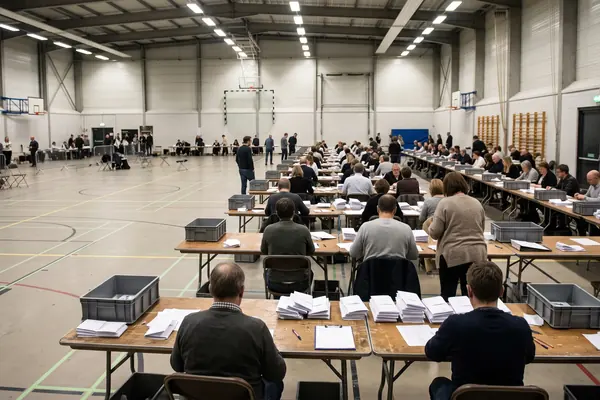
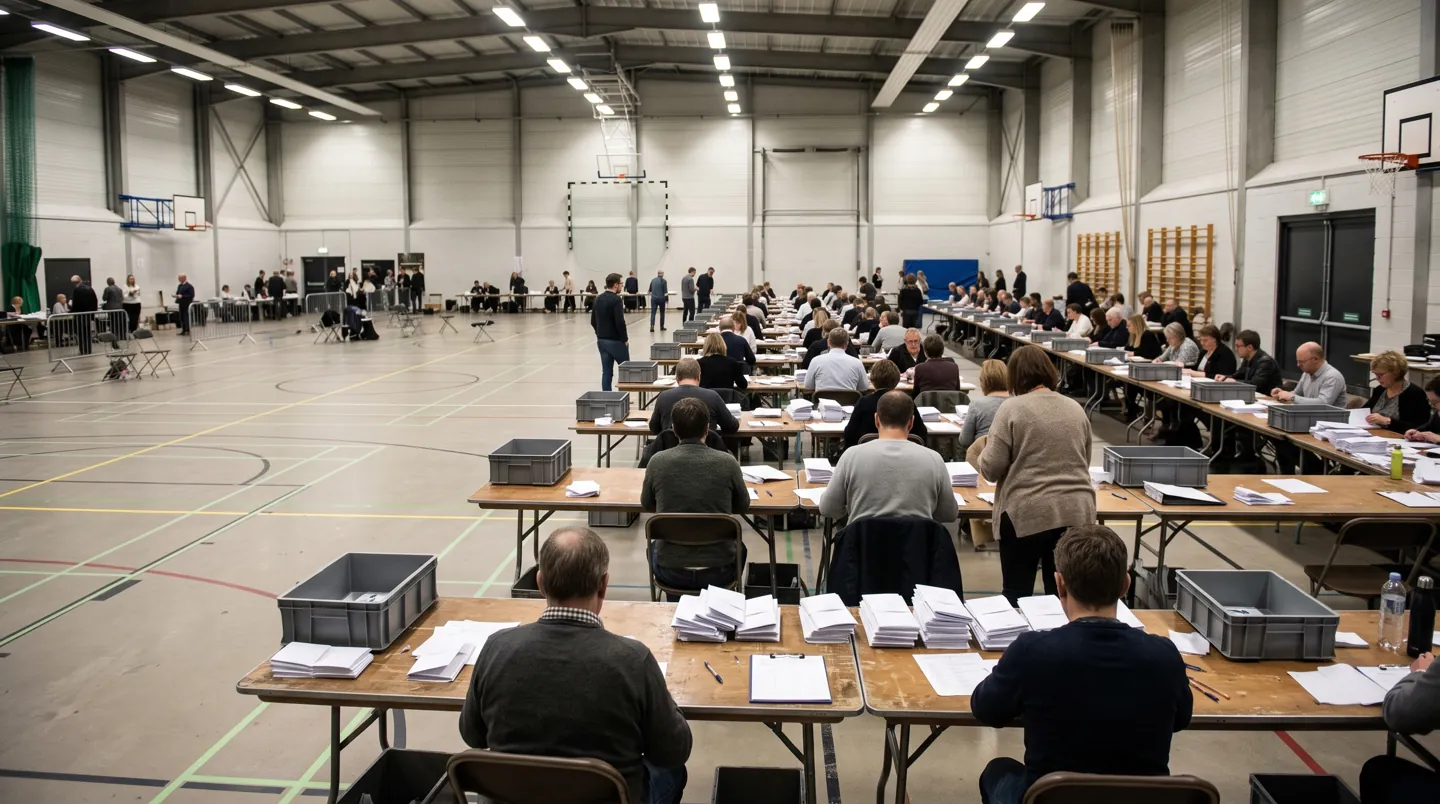
A candidate or election agent present at the count may ask for a recount. The returning officer may refuse if the request is unreasonable.
Walk through a count whowonvotes
HOW A CLOSE COUNT WORKS
Most counts end with a clear winner. A few do not.
RECOUNT on request, not by right
4 heads Headings for rejected ballot papers
When the gap is tiny, the parliamentary election rules set out what happens next: who may ask for a recount, how unclear ballot papers are judged, and what the returning officer must do if the top candidates finish exactly level.
THE SHORT ANSWER
Nothing about a tight count is improvised.
The steps are set out in the election rules.
RECOUNTS
A candidate or election agent present at the count may ask for a recount. The returning officer may refuse if the request is unreasonable.
Walk through a countUNCLEAR PAPERS
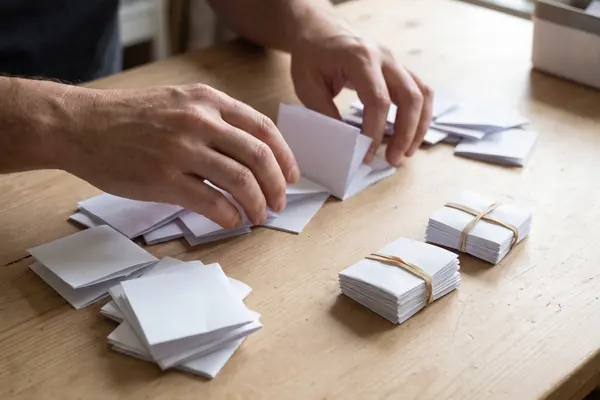
A vote marked oddly, say with a tick, is not void just for that reason if the voter's intention clearly appears and the mark does not identify them.
How papers are judgedEXACT TIES
If the leading candidates are level after counting and any recount, the returning officer decides between them by lot, at once.
See the rulesGeneral information only, not legal advice. For advice on your own situation, speak to a qualified lawyer or a free advice service.
A QUICK COUNT WALK-THROUGH
Pick a moment at the count to see what the parliamentary election rules say happens next. The bar shows how far the result is still open at that stage.
Based on the parliamentary election rules in Schedule 1 to the Representation of the People Act 1983. This is general information, not legal advice; local and devolved elections have their own rules.
FOUR STEPS AT A CLOSE COUNT
These are the main stages the parliamentary election rules lay down between the close of poll and the declaration.

Each box's papers are counted and checked against the polling station's ballot paper account, with agents watching.
Papers are sorted by candidate and counted. Counting agents are entitled to satisfy themselves that the sorting is correct.
The returning officer decides on unclear papers. A rejected paper is endorsed "rejected", and "rejection objected to" if an agent objects.
Candidates and agents present get a reasonable chance to ask for a recount before the result is declared.
TWO NUMBERS WORTH KNOWING
One number on how unclear papers are recorded,
one on how long a result stays open to challenge.
4 heads
Headings for rejected ballot papers
Rejected papers are listed under four heads: no official mark, voting for more than one candidate, a mark that could identify the voter, and unmarked or void for uncertainty. The numbers are published with the result.
REJECTED PAPERS · RPA 1983
21 days
Days to present an election petition
A parliamentary election petition must be presented within 21 days after the winner's name is returned to the Clerk of the Crown, subject to the exceptions in the Act.
CHALLENGES · RPA 1983 s.122
Counts are run locally. One English council's 2025 count pack, for example, said that where the majority was under 60 votes a recount request would likely lead to a bundle check of each batch of 100 votes.
WHEN IT IS DEAD LEVEL
Rule 49 covers the rarest case: an exact tie that decides who is elected, still there after counting and any recount. The returning officer must decide between the tied candidates by lot, straight away.
The rule does not say how the lot is drawn, so the method is set locally. One council's 2025 count pack, for example, said lots would be drawn at the count table for that seat.

Questions
No. Under the parliamentary election rules, a candidate or election agent present at the count may ask for a recount, and the returning officer may refuse if the request is unreasonable. Councils publish their own working principles for when a recount is likely.
It can. The rules say a paper marked otherwise than by a cross, outside the proper place or with more than one mark is not void for that reason if the voter's intention clearly appears and the mark does not identify them.
If the tie decides who is elected and remains after any recount, the returning officer decides between them by lot. The candidate the lot falls on is treated as if they had one extra vote.
The rules let the returning officer and clerks, candidates and one guest each, election agents and counting agents attend. Others may be let in if the count will not be impeded and agents have been consulted where practicable.
Not at the count. A parliamentary result can be challenged only by an election petition, which must be presented within 21 days after the return, subject to the exceptions in the Act.
Updated
ABOUT THIS NAME
whowonvotes.com is part of the DoodleSale portfolio. It isn't in an auction right now, but you can ask about leasing it.